
Description
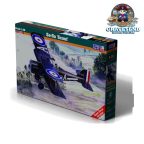
The A-26 was built by Douglas back in WWII as their successor to the A-20 Havoc. Two types were designed, The C with a glass bomber nose and the B with a full metal nose filled with either 6 or 8 .50cal machine guns, which coupled with the three in each wing gave it quite a punch, deserving of the Strafer title. It also had a pair of turrets on the fuselage mid-upper and dorsal positions, which were both operated by a single gunner using a complex remote mechanism that flipped between the upper and lower turrets depending on where the gunner was looking through his binocular sights. This trained the guns accordingly and also calculated the correct offset for parallax and lead, but was very complex and caused some delays to it entering service, and even more issues with maintenance in the field. Then in 1948 it was re-designated as the B-26 by the US Air Force to confuse us, and later on back to the A-26 just to complete that process of confuion. It was developed a little after the Marauder and despite using the same engines it was designed totally separately from its tubular colleague. It was initially less than popular in the Pacific theatre where its poor cockpit visibility due to the canopy and engine position rendered it unloved by the first users. It was more popular in the European theatre and was accepted as replacement for the Havoc fairly quickly. After the war it served in Korea, early Vietnam engagements and other conflicts, ending its days in US service with the Air National Guard in the early 70s. It continued in civilian service as a fire bomber and in other roles, such as actor in the film Always with Richard Dreyfuss playing its brave but ill-fated pilot.